

Minerals Council Launches Updated Climate Position Backing South Africa’s Development and Climate Action
By Contributor
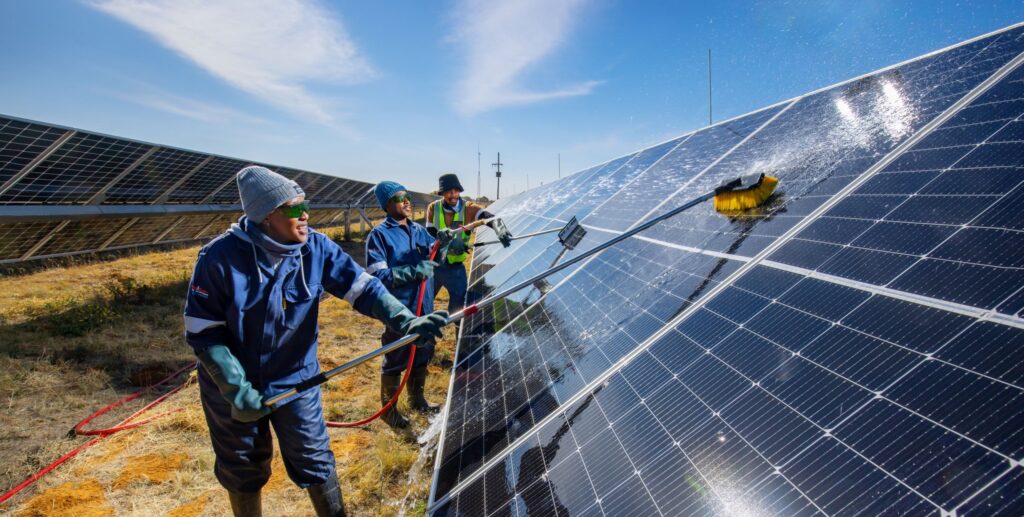
The Minerals Council South Africa launched its 2026 Climate Change Position at its inaugural Climate Change Day of Learning, reaffirming the mining industry’s commitment to responsible climate action and a just and orderly transition that supports South Africa’s development, energy security and long-term economic growth.
The updated position is enshrined within the context of South Africa as a developing country under the auspices of the Paris Agreement, towards a responsible net zero transition.
The position was released ahead of the COP31 global climate negotiations in Turkey during November.
The 2026 position builds on the Minerals Council’s 2023 Climate Change Position and reflects a changing global and domestic environment.
It recognises that South Africa’s transition must be practical, economically viable and grounded in the country’s development priorities and natural resource endowments, while enabling the investment and growth needed for a competitive and sustainable mining sector.
“Mining is central to both South Africa’s development and the global climate transition. We need to reduce emissions and strengthen resilience while attracting the investment needed to grow a competitive mining sector, sustain and create jobs, support communities, and bolster South Africa’s economic development. Climate ambition and economic growth must reinforce each other,” says Shamini Harrington, Senior Executive: Environment, Health, Legacies and Employment Relations at the Minerals Council.
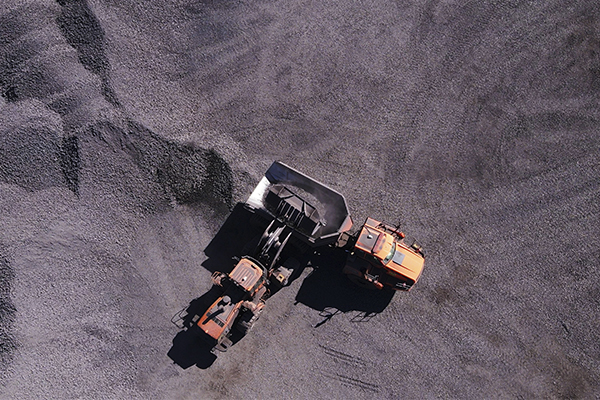
Mining has a dual role in the transition – reducing emissions and strengthening resilience within its operations and communities, while supplying the minerals needed for renewable energy, electrification and lower-carbon technologies. South Africa hosts many minerals necessary for a low-carbon future, including platinum group metals, manganese, chrome, iron ore and vanadium among others.
A growing and investable mining sector is essential to mobilise the capital required for decarbonisation and climate resilience, while continuing to support jobs, communities and economic development.
This aligns with the Minerals Council’s wider Investment and Growth Strategy and its work through the Government-Business Partnership, where mining is a priority growth sector to revitalise South Africa’s economy.
Working with government and business, the sector is supporting efforts to strengthen competitiveness and increase investor confidence and investment in mining for the benefit of all South Africans.
The updated position continues to recognise the importance of reliable and affordable energy.
Coal continues to play an important role in South Africa’s energy security, industrial base and economy as the country’s energy system progressively diversifies towards the inclusion of other energy sources like renewable energy, gas and nuclear. The transition must be carefully managed to enable decarbonisation while protecting economic activity, jobs and communities and creating new opportunities for workers and mining regions.
The launch formed part of the Minerals Council’s 2026 Climate Change Day of Learning, themed Mining, climate action and the road to COP31. It brought together the mining industry, government and climate specialists to discuss climate policy, carbon markets, renewable energy and practical approaches to mining growth and decarbonisation.