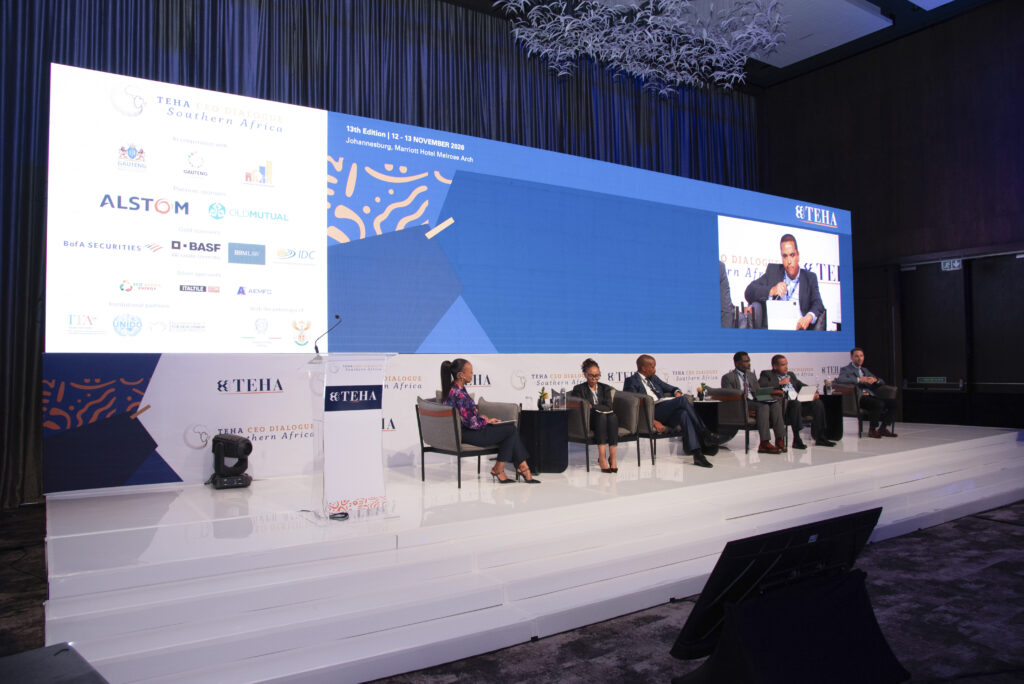

Africa Has Capital but Needs Bankable Projects, Southern Africa CEO Dialogue Deliberates
By Staff Writer
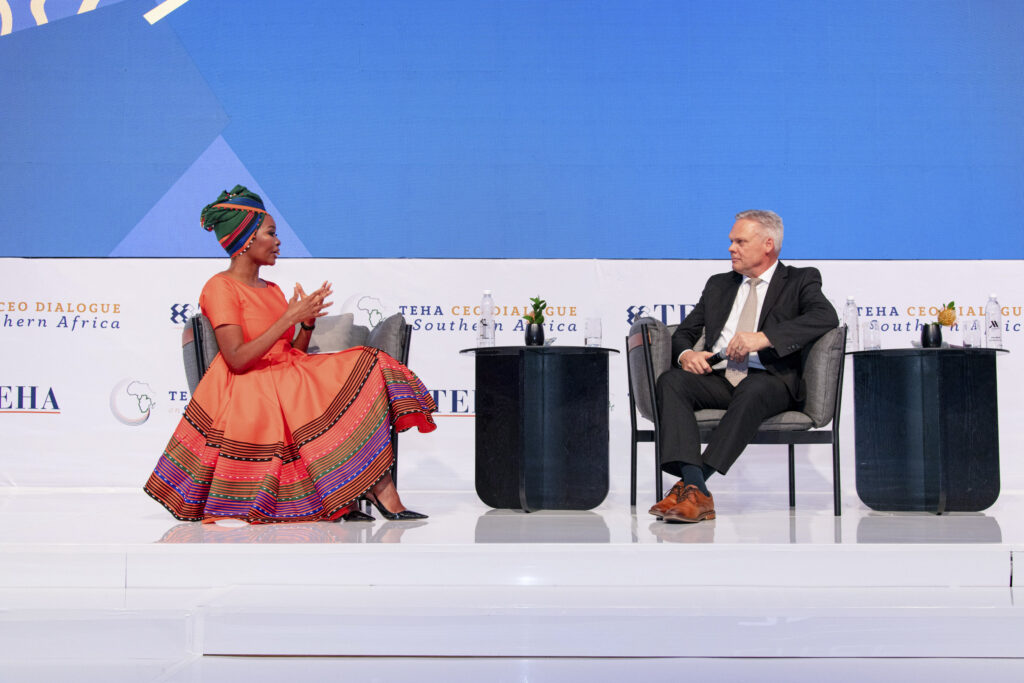
Africa does not lack capital, but it must mobilise that capital more effectively through suitable investment instruments and a credible pipeline of projects, South Africa’s Finance Minister Enoch Godongwana told the 13th CEO Dialogue on Southern Africa in Johannesburg this week.
“We do have capital on the African continent. The question is, how do you mobilise that capital effectively?” Godongwana said at the summit convened by The European House – Ambrosetti (TEHA). The challenge, he said, is putting that capital to work.
Dialogue speakers agreed that credible project pipelines and clearer investment structures are key to drawing private capital into infrastructure. They said better project preparation and sustained procurement programmes, supported by predictable rules and workable risk-sharing arrangements, can give investors the confidence to commit over time.
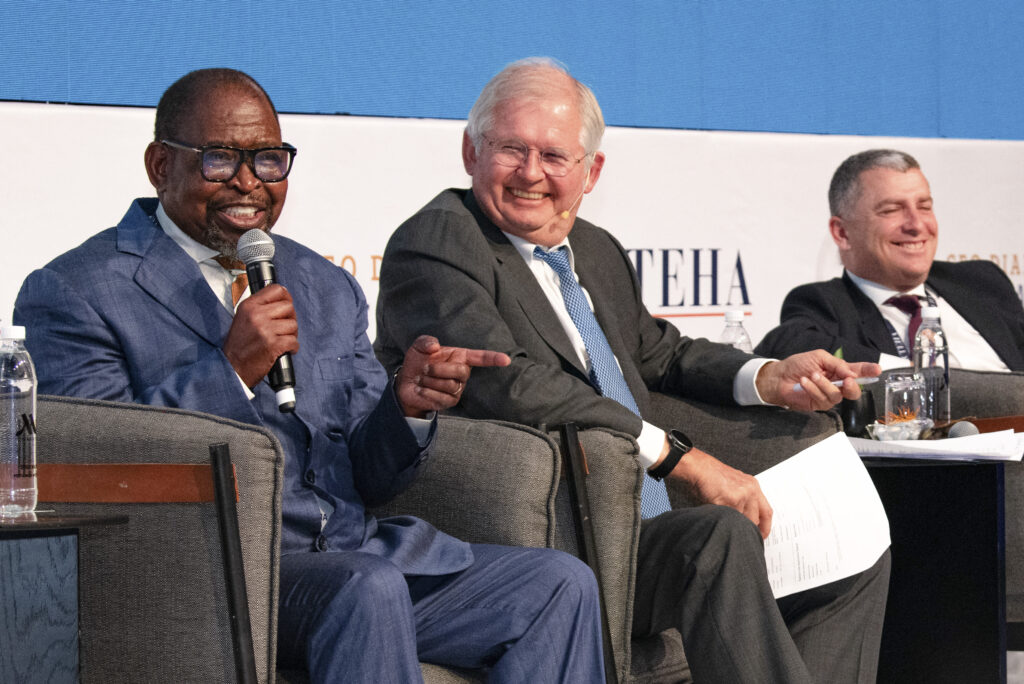
Regional integration emerged as the second major theme for driving inclusive and enduring growth. Speakers said stronger cross-border connections and regional value chains can create the market scale needed to attract investment, while making it easier for African businesses to trade with one another under the African Continental Free Trade Area.
More efficient ports and railways would lower logistics costs and connect regional producers with wider markets.
Enrico Letta, Former Italian Prime Minister and Dean of the IE School of Politics, Economics and Global Affairs, identified Africa’s young population as a strategic asset, emphasising education’s role in strengthening competitiveness and making economic growth more inclusive.
Delegates also examined how partnerships can move from intent to implementation, with local value addition highlighted as a driver of industrial competitiveness.
The Italian Agency for Development Cooperation and UNIDO cited the ACT coffee programme, which supports the development of Malawi’s coffee industry, as an example of cooperative development.
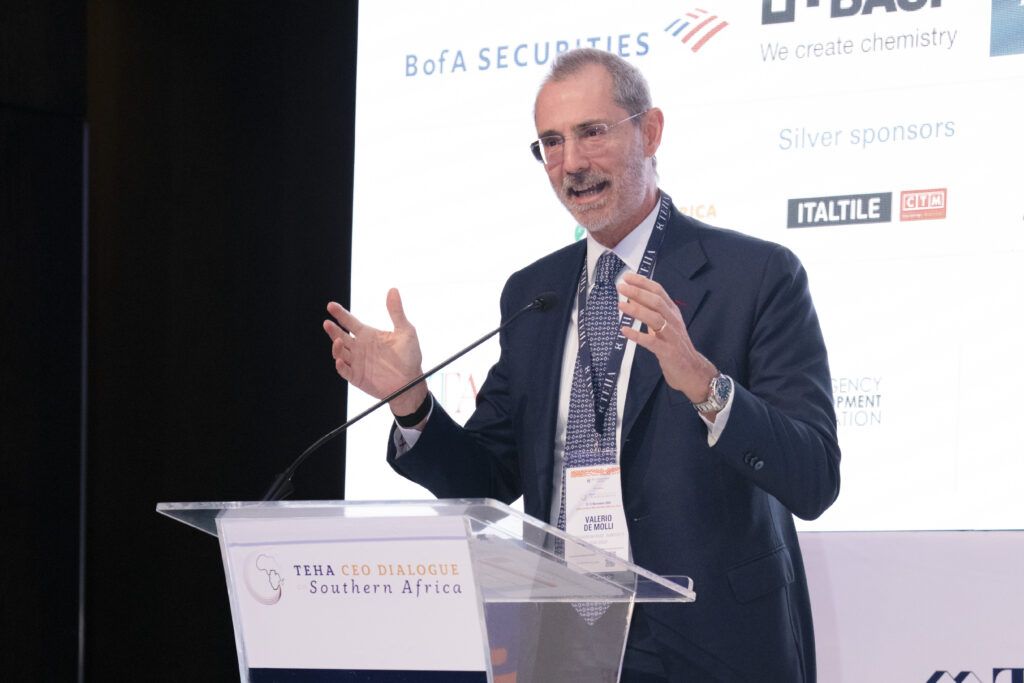
Delegates also examined how partnerships can move from intent to implementation, with local value addition highlighted as a driver of industrial competitiveness. The Italian Agency for Development Cooperation and UNIDO cited the ACT coffee programme, which supports the development of Malawi’s coffee industry, as an example of cooperative development.
The City of Johannesburg was firmly on the agenda, with speakers pointing to urban renewal and closer partnerships between government and business as ways to build on the city’s established infrastructure and corporate base as South Africa’s financial and commercial hub.
TEHA Africa CEO Pietro Mininni called for Johannesburg’s economic strengths to gain greater international recognition and for perceptions that limit its appeal to investors to be challenged. He cited TEHA’s benchmarking of 80 emerging and fast-growing cities, which ranks Johannesburg 13th overall and first in Africa.
Mininni then challenged delegates to think bigger and consider a bid to host World Expo 2035. “Why not Johannesburg in 2035?” he asked.
The TEHA CEO Dialogue brings together government, business and investment leaders from Europe and Africa to strengthen trade relationships and encourage innovation. Hosted in cooperation with the Gauteng Provincial Government and the Gauteng Growth and Development Agency, the two-day summit concludes today at the Marriott Hotel Melrose Arch.