

BD (Becton, Dickinson and Company) (NYSE: BDX), a leading and one of the longest-serving global medical technology companies, is honoured to celebrate 30 years of its pan-African presence and the three-decade legacy of strengthening Africa’s health systems and bringing accessible quality health services to millions of people.
Since 1995, BD has helped transform healthcare across Africa — bringing life-saving vaccines to children, generating and sharing research, improving health worker and patient safety and speeding up diagnosis and treatment. With the right technology, people and support, even the toughest conditions – resource constraints, diverse systemic capabilities and challenging geographical terrains – have not stood in the way of patient-centred care.
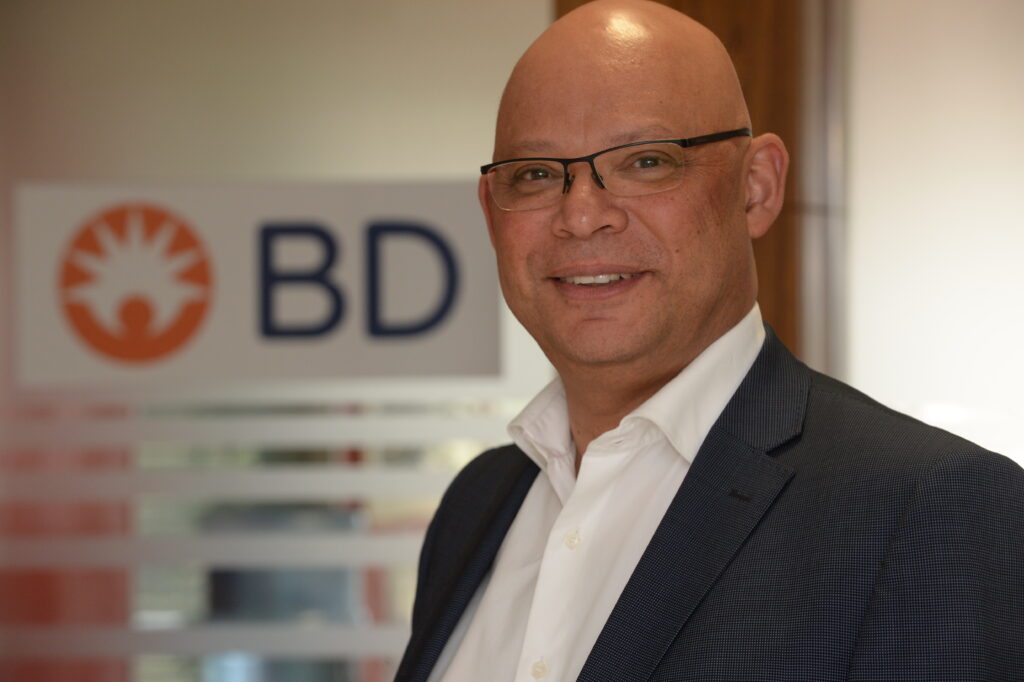
“The company’s strategies have proven to be instrumental in combating many of the most pressing health concerns – epidemics and pandemics like COVID-19, HIV/AIDS, TB and malaria as well as primary healthcare and chronic priorities like infant vaccination, diabetes, cancers and protecting clinical environments from healthcare-acquired infections,” says Ian Wakefield, General Manager of BD Africa.
By working in close collaboration with stakeholders and local distributors, BD helps to improve health outcomes, increase efficiencies, lower service provision costs, and boost safety and access to healthcare. BD’s African footprint stretches from urban centres to the smallest rural and hard-to-reach places, some without an address or where the only professional caregivers are traditional healers.
This presence allows BD to identify and address healthcare needs across sub-Saharan Africa.
Wakefield says: “We exist to support the heroes on the frontlines of healthcare by developing innovative technology, services and solutions that help advance both clinical therapy for patients and clinical processes for healthcare providers. About 198 of BD’s global staff complement of 70,000 are in Africa. Every day, they enhance the safety and efficiency of clinicians’ care, enable laboratory technicians to accurately detect disease and advance the development of next-generation diagnostics and therapeutics that are relevant to the African burden of disease.”
In reflecting on how BD has helped build healthcare systems in sub-Saharan Africa, Wakefield cites that nurses, laboratory technicians and community health workers are the foundation, bricks and mortar of patient care. While serving large patient numbers, they also carry other loads, including insufficient time, suboptimal training and lack of PPE and other medical resources. These factors pose a risk to their health and well-being, often resulting in workplace-acquired infections, burnout and mental stress.
“Proven measures that can strengthen health professionals’ safety and wellbeing and support the efforts of healthcare workers exist, but are not consistently applied due to systemic challenges.
“Given its presence at the coalface of healthcare delivery, BD recognised that no amount of medicines, syringes or other equipment can do the job on their own and that healthcare workers are central to African health systems’ ability to fulfil population needs,” says Wakefield.
Early on, the company developed and pursued a healthcare worker- and patient-centred multipronged solution based on a sustainable, longer-term approach and investments.
This work began in 2006 when BD Africa and the World Economic Forum (WEF) researched and co-published a White Paper on Strengthening Health Systems in Africa. Using it as a basis for sustained regional, continental and global advocacy and policy formation, BD elevated the role of African healthcare professionals and contributed to impactful healthcare access innovations and partnerships that facilitated funding, training opportunities and workplace wellness initiatives. These ranged from immediate protection, such as Hepatitis B inoculation drives and standing beside healthcare workers as they marched to raise awareness of their needs and challenges, to enable best-practice, holistic, sustainable educational and capacity-building initiatives.
In a quest to care for the carers and their patients, these experiences and learnings provided for invaluable and ongoing systemic benefits – such as cocreating wellness centres for healthcare workers, assisting in the adoption of safety-engineered devices, establishing training hubs and being part of the solutions for epidemics, including TB and HIV.
“With a future-oriented lens, we stand together with health departments, healthcare role players, local and global partners and communities in all 54 nations on the continent to deliver both urgent and long-term solutions to Africa’s health needs.