

Kalahari Film Festival to Put Human Rights and Local Voices in the Spotlight
The Africa Human Rights Film Festival (AHRFF) will return to the Kalahari from 12 to 18 October 2026, bringing a week of screenings, talks, training and networking to Rietfontein and Andriesvale.
The festival will focus on human rights and social justice while giving space to filmmakers from the region. Its theme, “Setting the Discourse,” is intended to encourage audiences to ask questions, debate and think critically about issues shaping society.
Festival director Davison Mudzingwa says the theme responds to a world where misinformation spreads quickly and people are increasingly distracted. He hopes the event will help revive a culture of discussion and careful analysis.
The programme includes panel discussions, filmmaking workshops, masterclasses and networking sessions. Emerging filmmakers will work with experienced industry figures, including trainer Hein Ungerer and filmmaker-trainer Joy Nkgapele.
The film line-up covers memory, land, food sovereignty, migration, identity, ageing and apartheid history. Dear Sikhonkwane, directed by Sihle Hlope, profiles an early SiSwati author who produced more than 40 books in under 20 years. Hearts Remember examines dementia and ageing in South Africa, including the story of football coach Clive Barker.
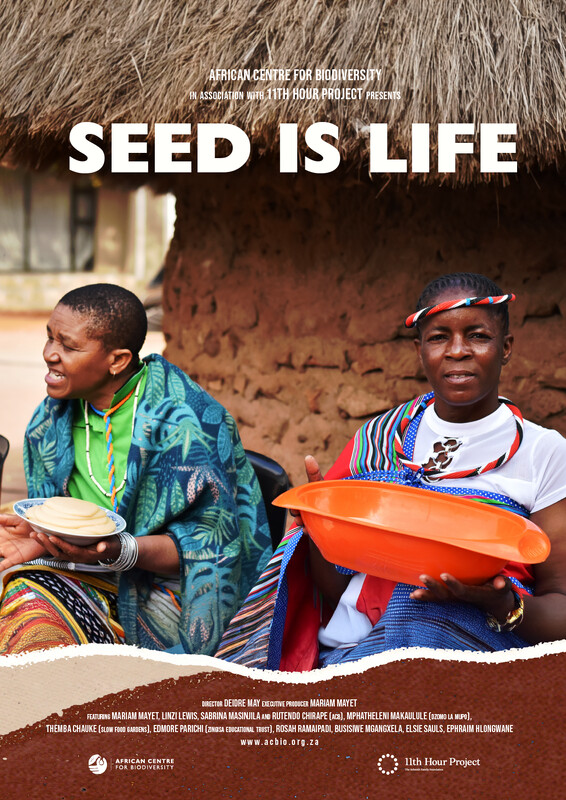
SEED IS LIFE, by Deidre May, looks at pressures on farmer-managed seed systems and efforts in South Africa and Zimbabwe to protect indigenous seeds. The international documentary EXODUS: A WAR AGAINST THE PEOPLE, directed by Bijoyini Chatterjee, follows migrant families at the Mexico–US border as they flee violence and seek safety.
South African history and land rights are also central. Christopher Truter, A Child of 1976, directed by Deidré Jantjies, tells the story of a Cape Town man killed by police in 1976, through the eyes of his niece. A Piece of Ground, by Sesihle Manzini, explores land dispossession, slavery and forced removals. Stolen Ground: The Tygerberg Raceway Story, by Joe Emilio, investigates the occupation of the historic Tygerberg Raceway and tensions over land and property rights.
Four films by young Kalahari filmmakers will also be screened. Their stories address identity and gender-based violence, and include a personal coming-of-age documentary by Joy Baardman. AHRFF says showcasing local work is part of its aim to grow a thriving film industry in the Kalahari.
Beyond the annual festival, AHRFF has worked since 2018 to build a sustainable film ecosystem in the region through screenings, training and skills development. Mudzingwa says the Kalahari has long been described as marginalised, but the local film scene is beginning to grow. With the right support, he argues, communities in the region can compete with filmmakers elsewhere, and their unique stories are valuable.
The 2026 edition is supported by the National Film and Video Foundation (NFVF) and the Presidential Employment Stimulus Programme (PESP).