

Middle-income households squeezed as fuel costs rise and interest rates bite
By Contributor
South Africa’s middle-income households are coming under renewed financial pressure as rising fuel costs and higher interest rates put further strain on household budgets.
The latest Middle-Income Inflation Monitor by Professionals and Business for Change (PBC) found that inflation for households in expenditure deciles four to seven remained unchanged at 3.5% year-on-year in August.
National headline inflation, however, increased from 4.3% in July to 4.4% in August, according to the report.
The figures come as the South African Reserve Bank (SARB) raised its policy rate by 25 basis points to 7.25% in September. The decision was unanimous and came after the Monetary Policy Committee had voted 4-2 to keep rates unchanged in July.
The SARB said the rate increase was driven by renewed fuel-price pressures and global supply shocks, with inflation expected to remain elevated in the short term.
Economist Mandla Isaacs said the decision to raise rates before the full impact of the latest fuel increases appeared in the inflation data was a difficult judgement.
“Monetary policy can’t bring down the international oil price.”
Isaacs said an overly aggressive response to a temporary supply shock could put additional pressure on an already weak economy through higher debt-servicing costs, weaker consumption and investment, and potentially slower growth and employment.
At the same time, he said failing to respond for too long could allow the shock to become more persistent.
“If the Bank accommodates the shock for too long, there is a risk that it feeds into inflation expectations, wage settlements and broader price-setting.”
He said the duration of the global energy shock was difficult to predict because it was linked to geopolitical developments.
Isaacs said the key question was therefore not simply whether the SARB should have waited another month for the inflation data.
“The real judgment is what probability you attach to the shock becoming persistent, how early you act against that risk, and how you balance it against the very real growth and employment costs of tightening unnecessarily.”
Fuel prices reverse August relief
The PBC report shows that households received some relief from petrol prices in August, but this was quickly reversed in September.
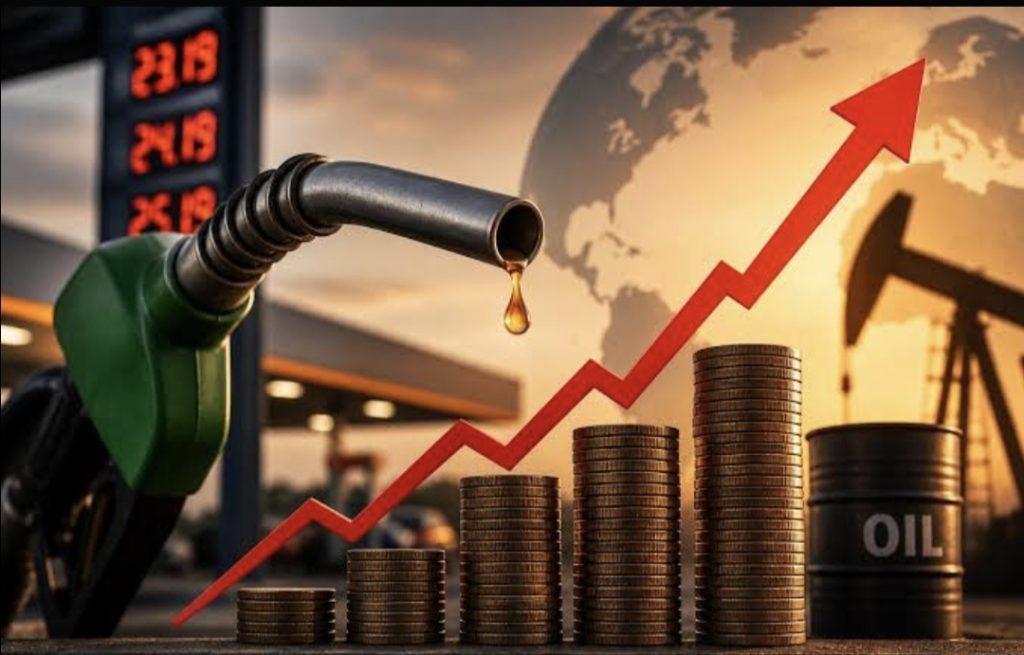
Diesel increased by R1.39 a litre in August to R26.17, while petrol prices fell by 52 cents a litre. Transport inflation consequently eased slightly to 8.8% year-on-year.
By September, diesel had jumped by another R2.94 a litre to R29.11, while petrol increased by R1.34 a litre. Diesel prices were almost 50% higher than a year earlier. At the time of writing, domestic petrol prices were set to hit a record highs of in October, with the price of petrol rising past R30 a litre in inland regions.
The SARB has also warned that fuel prices could push headline inflation above 5% later this year and early next year before easing as the fuel shock subsides.
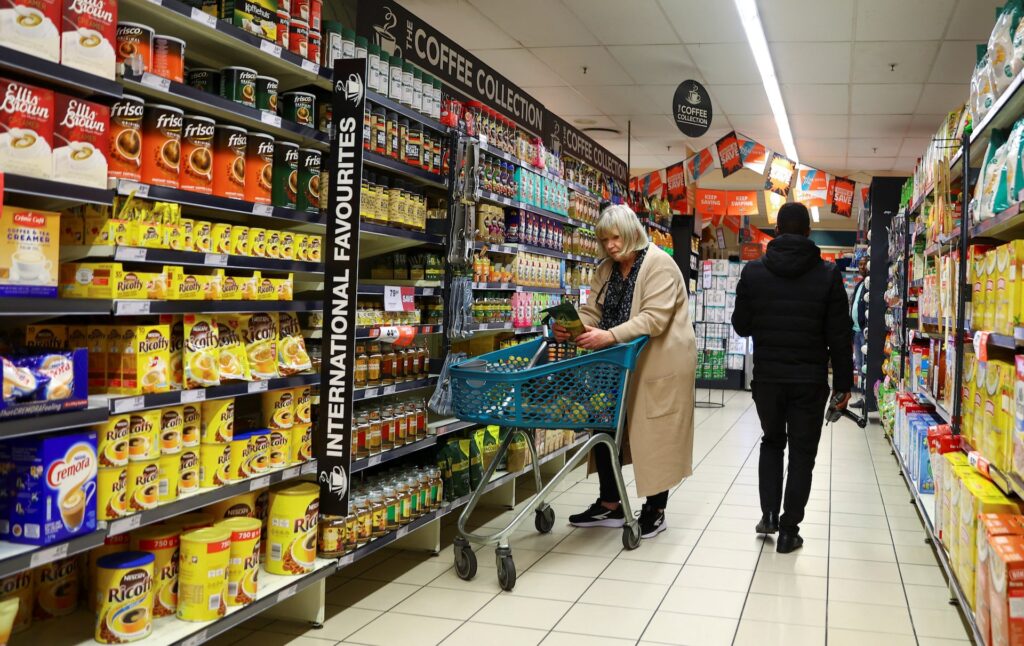
Food inflation continued to provide some relief as it remained close to historic lows, despite increasing only slightly to 1.1% in August . But PBC warned that higher fuel prices and distribution costs over the short term, and extreme weather-related risks associated with the developing El Niño over the medium term, could place upward pressure on food prices.
Take-home pay under pressure
The pressure is not only coming from rising prices.
Xhanti Payi, economist at Inani Strategies, said the stability in middle-income inflation was encouraging, but households were still facing difficulties because income growth was not keeping pace with inflation.
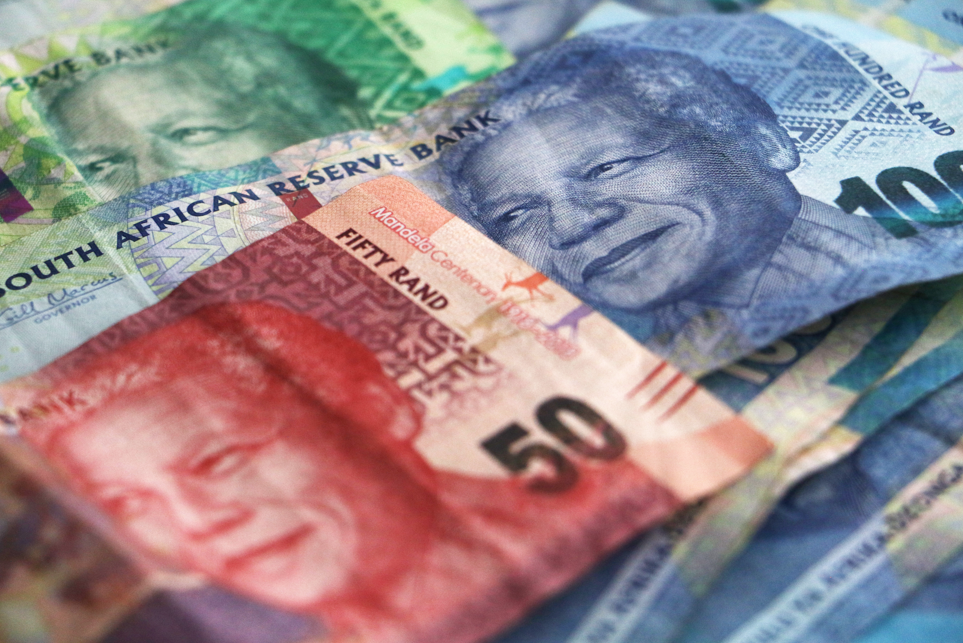
The BankservAfrica Take-Home Pay Index showed the average nominal net salary increased by 1.9% year-on-year in August to R21,622.
“Although this average falls slightly below the middle-income bracket, many individuals in this segment fall within this range. This indicates that, in real terms, average salaries have declined,” Payi said.
He said the recent interest rate increases would add to the pressure on middle-income workers, particularly with further petrol price increases expected.
“With upcoming petrol price increases, the short-term outlook remains challenging.”
Payi said the financial pressure on middle-income households had wider implications because this group plays an important role in consumer spending.
“As a key group expected to drive economic growth through consumer spending, these pressures have broader implications for the overall economy.”
Recent PayInc data also showed that the real net salary index fell 2.6% year-on-year in August, while the average nominal net salary stood at R21,622.
The cost of basic services
Isaacs said the longer-term solution to the pressure on middle-income households was to improve economic growth and household incomes.
“Ultimately, the most important intervention is to reignite economic growth.”
He said stronger economic growth would create employment and improve real incomes, giving households more disposable income to absorb rising costs.
He also pointed to the cost of electricity and other basic infrastructure.
According to Isaacs, households need reliable infrastructure at sustainable prices rather than repeatedly absorbing above-inflation increases in administered prices.
He said improving public services such as education, healthcare and policing could also reduce the financial burden on middle-income households.
“Many middle-income South Africans effectively pay twice for these services: once through their taxes, and then again through private-school fees, medical aid and healthcare, private security and other substitutes for inadequate public provision.”
Looking beyond inflation
The PBC report already shows that food, housing and utilities, and transport account for about 66% of the middle-income inflation basket.
Its Middle-Class Squeeze Indicator, which compares core necessities with non-essential spending, remained at 1.1 percentage points in August. Core necessities recorded inflation of 3.7%, compared with 2.6% for non-essential spending.
For middle-income households, the latest figures therefore present a mixed picture: inflation remained stable in August and food prices were relatively subdued, but higher fuel prices, increased borrowing costs and weaker real income growth point to sustained pressure to household finances.
The PBC monitor is an analytical index based on Stats SA expenditure data for deciles four to seven, and is not an official statistic published by Stats SA.