

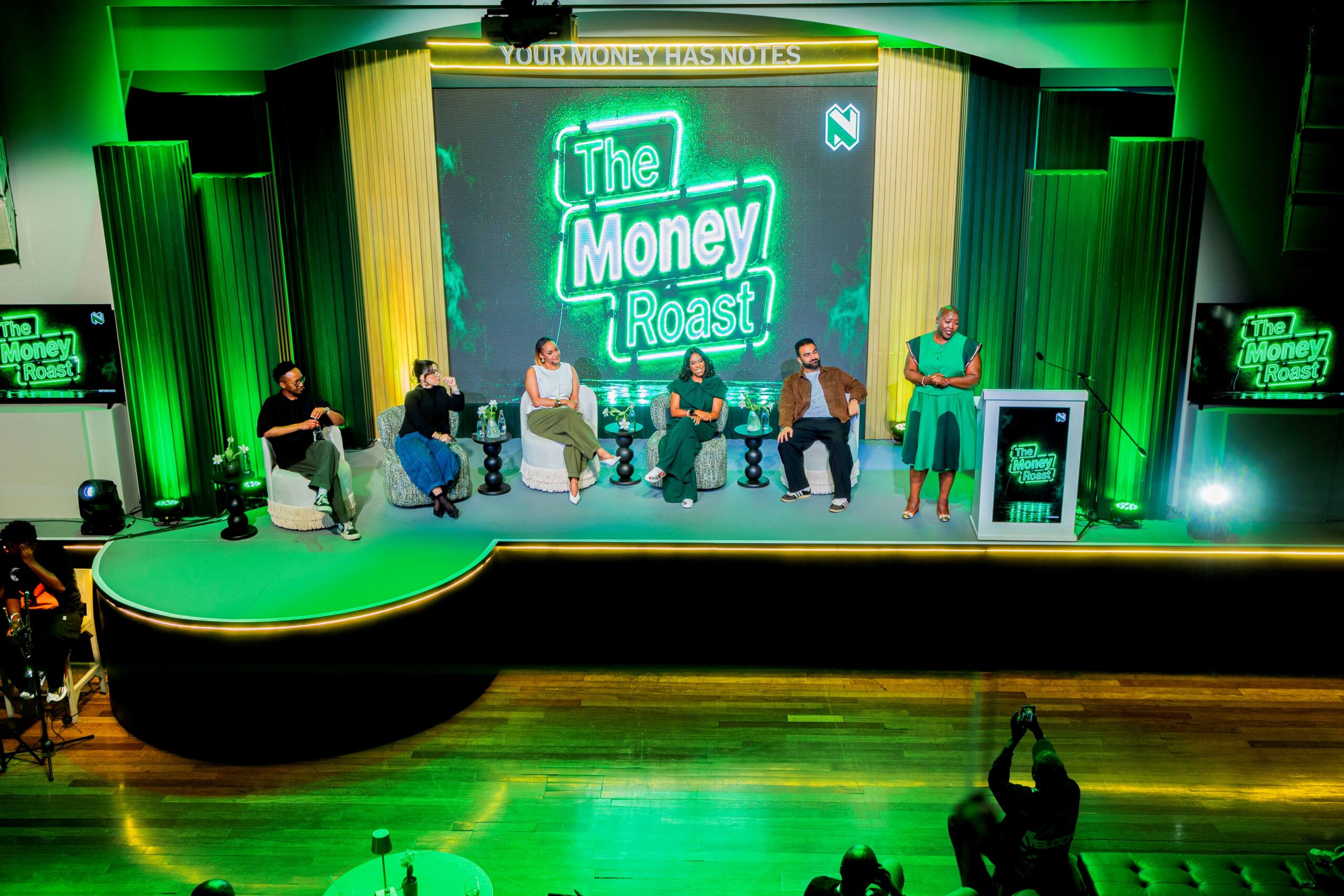
Nedbank recently hosted The Money Roast, using humour to spark difficult conversations about money that South Africans often avoid. By putting the country’s relationship with money in the hot seat, the event created a relatable platform to explore the emotions, social pressures and learned behaviours that influence how people earn, spend, save, borrow and support others.
South Africans talk about money every day – from the cost of living, salaries and interest rates to school fees, debt, grocery prices and the cost of petrol. Yet, the relationship behind these conversations is rarely explored: how money makes us feel and why we behave the way we do when managing our finances.
“The Money Roast was designed to bring the hidden dynamics of our money behaviours into the open in a way South Africans can relate to,” says Khensani Nobanda, Group Chief Marketing Officer at Nedbank. “Money is part of our everyday conversations, but the feelings and behaviours behind it often remain unspoken. Humour has made it easier for people to recognise themselves in the conversation. When we can laugh at the habits and pressures that shape our financial decisions, we can begin talking about them more honestly.”
The event took the form of a traditional comedy roast, led by a toastmaster and featuring a panel of popular South African personalities who highlighted familiar money behaviours. The guest of honour was not a person, but South Africa’s relationship with money. This format created an opportunity to address uncomfortable truths about financial anxiety, family obligations and social expectations through honesty and humour.
Laughter opened the door to a deeper discussion informed by Nedbank’s Money Relationships Report. Drawing on the 2025 NedFinHealth Monitor, the report explores both the financial progress working South Africans are making and the emotions that continue to influence their financial well-being. Although 46% of respondents feel financially better off than they did a year ago, money remains the biggest source of stress for 51%, while 37% still find it embarrassing to ask for financial help. The report also highlights the importance of practical financial habits: 71% of respondents have a monthly household budget, and those who budget are more likely than non-budgeters to spend less than they earn and experience lower levels of financial stress.
The conversation also reflected the realities of earning and sharing money in South Africa. One in four respondents (24%) said that financially supporting others is a source of money-related stress, up from 16% in 2023, while 41% identified borrowing money from family or friends as their most common form of debt. These findings reinforced the event’s central message: financial well-being is shaped not only by income and financial knowledge, but also by relationships, expectations and emotions.
“The Money Roast was about making the invisible visible,” says Nobanda. “The Money Relationships Report gives people the insight and language to understand what drives their financial behaviour, while the event showed that these conversations do not have to begin with judgement. They can begin with recognition, honesty and even laughter, and lead to practical action.”
To learn more about Nedbank’s Money Relationships Campaign and assess your financial health, visit nedbank.co.za.