
New investigative series exposes SA’s R1 trillion illicit economy — and the human cost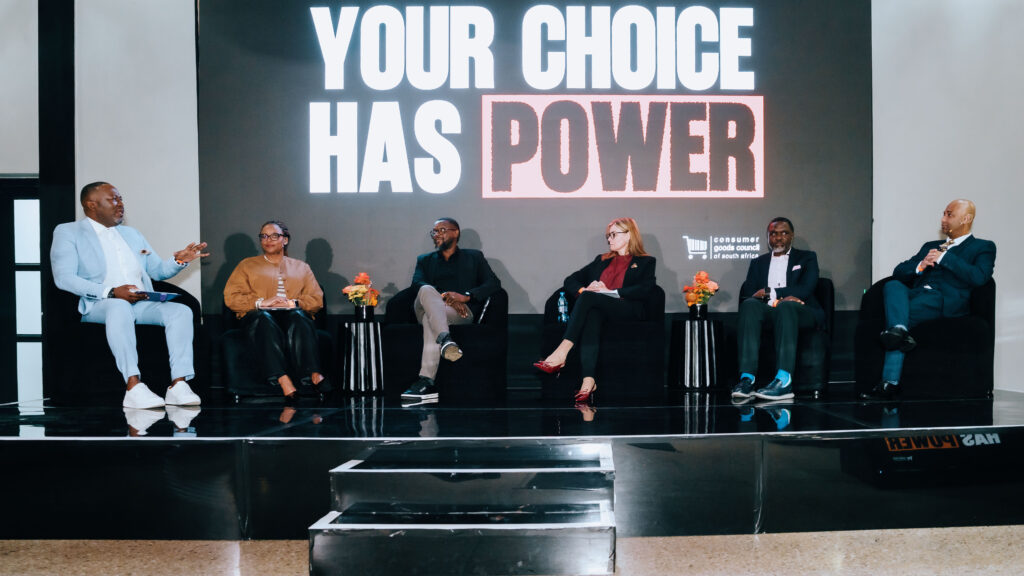
A hard-hitting new investigative series launched in Johannesburg lays bare the devastating human and economic toll of South Africa’s ballooning illicit economy, which experts estimate has grown to a staggering R1 trillion — representing up to 15% of the country’s GDP.
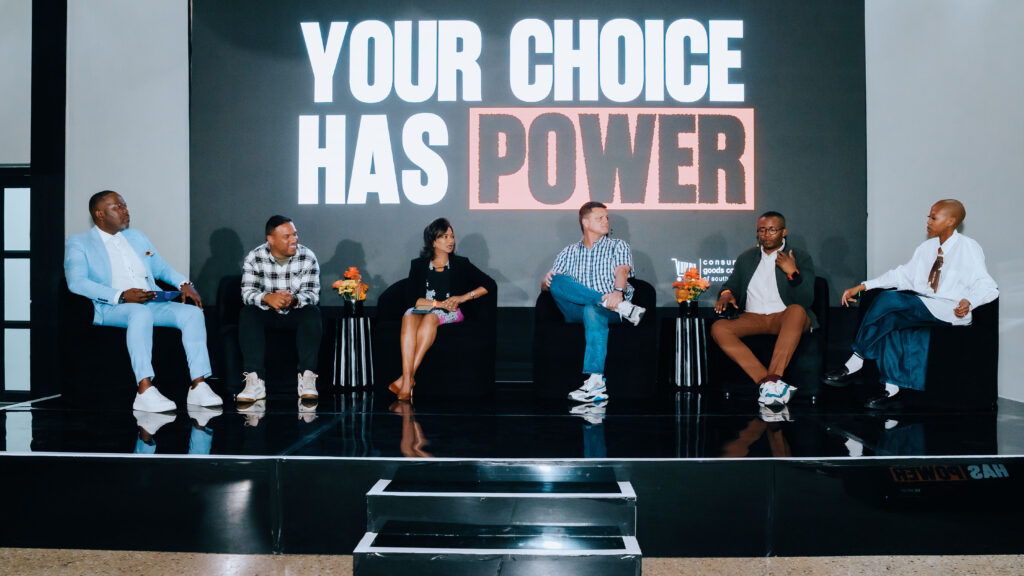
Someone Always Pays, produced by the Consumer Goods Council of South Africa (CGCSA) in partnership with a business task force, premiered at Langhams Lifestyle Estate on Wednesday. The series is the centrepiece of the Your Choice Has Power campaign, aimed at raising public awareness about the illicit-goods trade and encouraging consumer behaviour change.
Lead reporter Govan Whittles took guests behind the scenes of his investigation into bootleg alcohol, illicit fuel and the rampant cigarette black market — exposing how these products enter supply chains and the devastating ripple effects across society.
“Someone Always Pays takes a harrowing look at the effect that illicit trade has on people’s lives,” Whittles said. “Illicit trade drives crime, it harms public health, it destroys businesses, and it undermines social stability.”
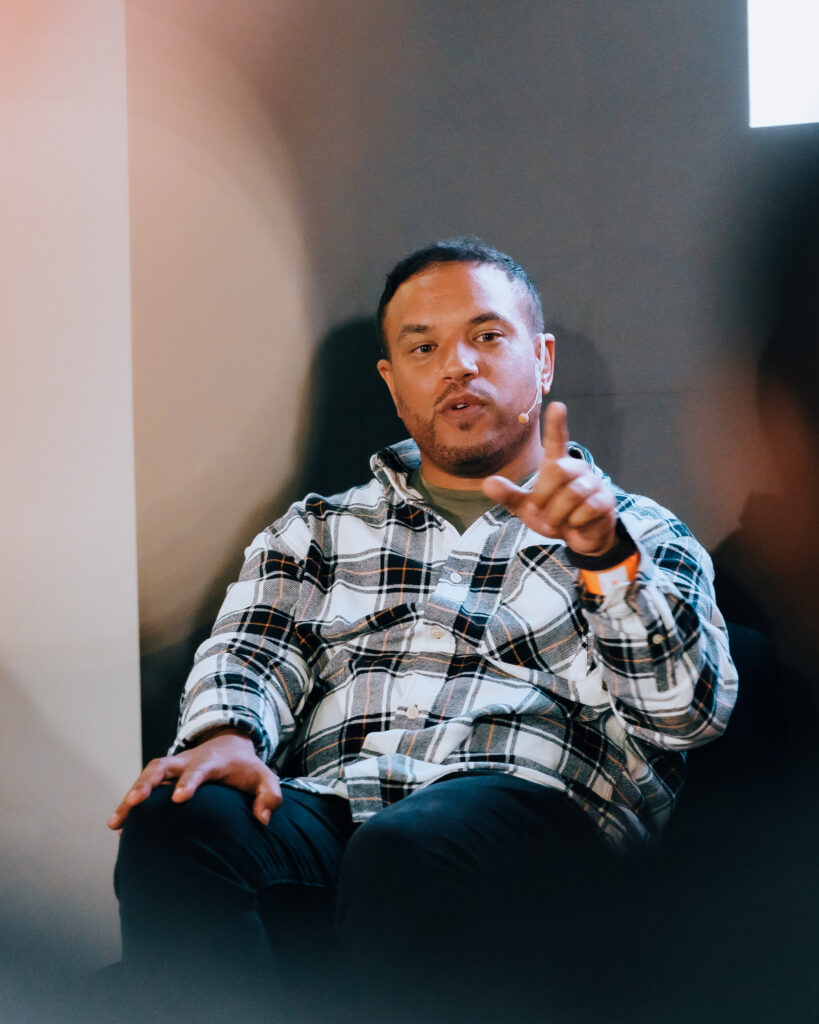
On the photo: Series investigative reporter, Govan Whittles
An economy out of control
The scale of the problem is staggering. SARS Commissioner Edward Kieswetter recently told Parliament that the illicit economy has grown faster than the formal economy over the past two decades — expanding from roughly 5% of GDP to between 12% and 15% today. In rand terms, he estimated its size at between R800 billion and R1.2 trillion, with the fiscus losing an estimated R200 billion to R300 billion in uncollected tax revenue annually.
The Consumer Goods Council of South Africa puts the figure at approximately 10% of GDP.
CGCSA CEO Zinhle Tyikwe outlined the devastating impacts: illicit trade endangers lives, robs businesses of income, destroys jobs, supports criminal networks, steals taxes and undermines social services.
Tobacco: 3 in 4 cigarettes are illicit
Nowhere is the crisis more visible than in the tobacco sector. Industry estimates indicate that roughly three out of four cigarettes sold in South Africa are illicit. The illicit cigarette trade has ballooned from 19% of the market in 2014 to 75% in 2025.
The consequences are severe. Legal manufacturers must pay at least R26.22 in excise tax per pack, while smuggled cigarettes retail for as little as R10 to R20. Annual tax losses in tobacco alone are estimated at between R18 billion and R28 billion.

On the photo: Consumer Goods Council of South Africa CEO, Zinhle Tyikwe.
British American Tobacco South Africa recently announced it will close its Heidelberg manufacturing facility by the end of 2026, with the factory operating at just 35% of capacity. Some 230 direct jobs will be lost, with ripple effects potentially affecting 35,000 jobs across the value chain — from tobacco farmers to distributors and retailers.
Alcohol: 1 in 5 drinks from illegal sources
Illicit alcohol is also surging. A 2025 Euromonitor International study found that illicit alcohol accounts for 18% of South Africa’s total market volume, representing an estimated R25 billion annually. Volumes have surged by 55% since 2017 — meaning one in five drinks now comes from illegal sources.
The fiscus loses at least R16 billion annually in excise revenue from illicit alcohol. A Euromonitor survey found that 67% of consumers said they would knowingly buy illicit alcohol due to lower prices.
A nation at risk — but consumers have power
The combined illicit trade in tobacco and alcohol alone costs government around R30 billion a year. TRACIT’s 2025 Illicit Trade Environment Index ranked South Africa 60th out of 158 countries.
But Tyikwe stressed that consumers are not powerless.
“Your choice has power,” she said. “If you suspect goods might be illegal, don’t buy them, and report it to the authorities. When we choose to spend our money with legal businesses, we support the mainstream economy, and help to grow our country.”
The Someone Always Pays series will continue to unpack the destructive impacts of illicit goods in future episodes. As Tyikwe put it: “No matter how cheap a product might be, someone always pays.”